Virtual EXIsTence (Virtual Exit/Existence hereafter) is the exit from virtuality, and the entrance back to reality. It is the fine line that lures us into believing that things can be replaced, restarted, and even deleted (though we can only do these things in our digital world). It even captivates us to do unnecessary digital rituals (text/chat, Internet, social media) that consume much of our time. Virtual Exit/Existence is our portal from virtuality to reality (vice versa), it is where we find our lost selves in the midst of confusion. It is the penetration, the affect of technology in our actuality and consciousness.
The Lego animation, photo manipulations, pure digital sound effects, and computer voice overs were merged to imitate our grasp of the digital world… everything in this video is digital. It omits feelings through computer voice narrations; though it visually tries to put emotions through Lego head replacements, it still doesn’t capture emotions that the director desires to reveal to its viewers. You will notice that the characters in the film are nameless (except for the concept of Rapunzel and Cinderella); though I want the characters/narrator identified through tone/pitch variations, making characters nameless omits personalization. The Lego minifigures represent the digital natives or millennials whose ignorance penetrates the space between human perception and virtual presence. These minifigures may also represent the digital migrants who tries to cope with the advancement of technology, thus being lost and absorbed by the fallacy represented by virtuality. Nowadays, whether you are a digital native or a digital migrant, though we all have the option to un-use technology, we have no choice but adapt to it.
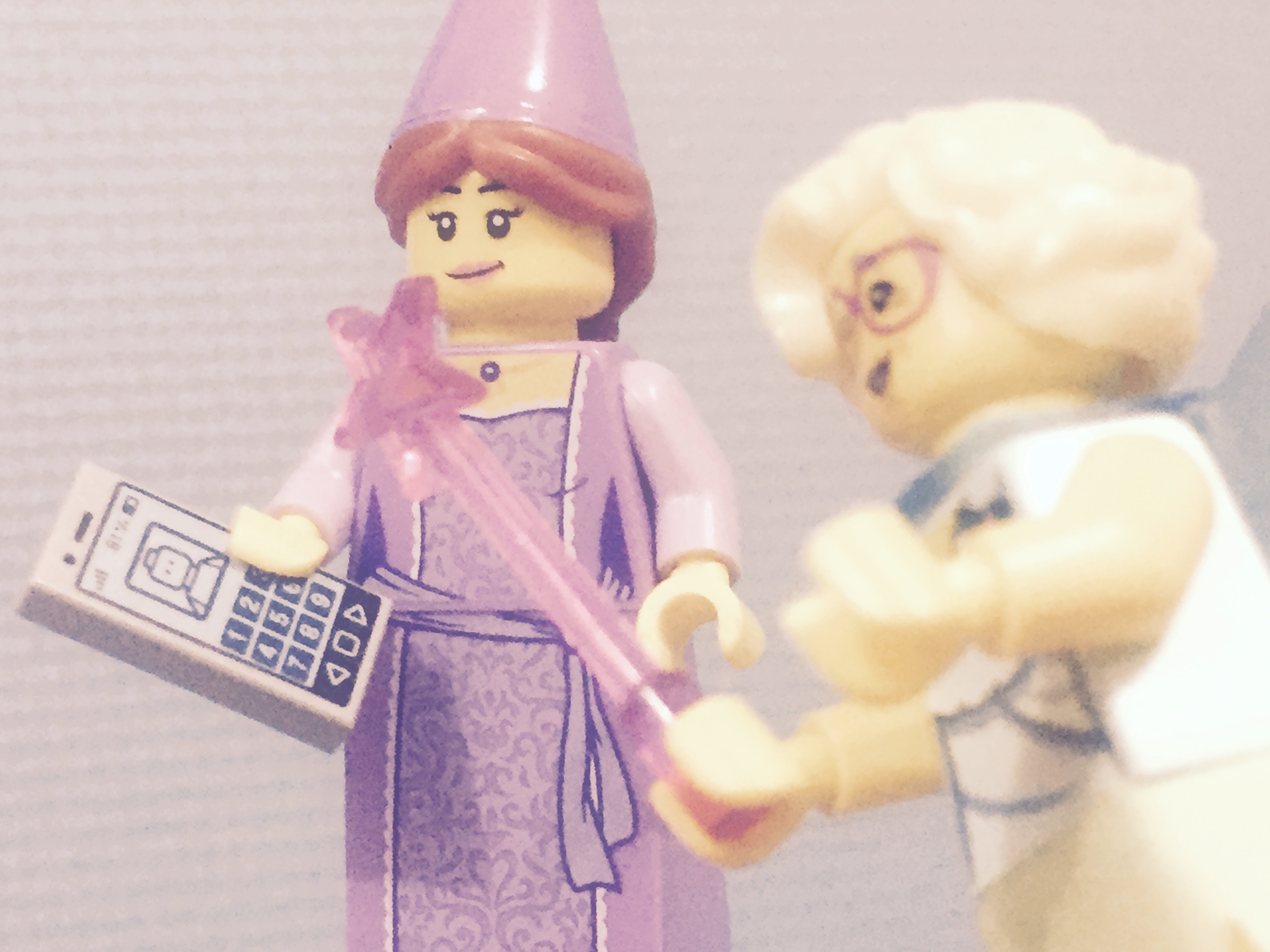
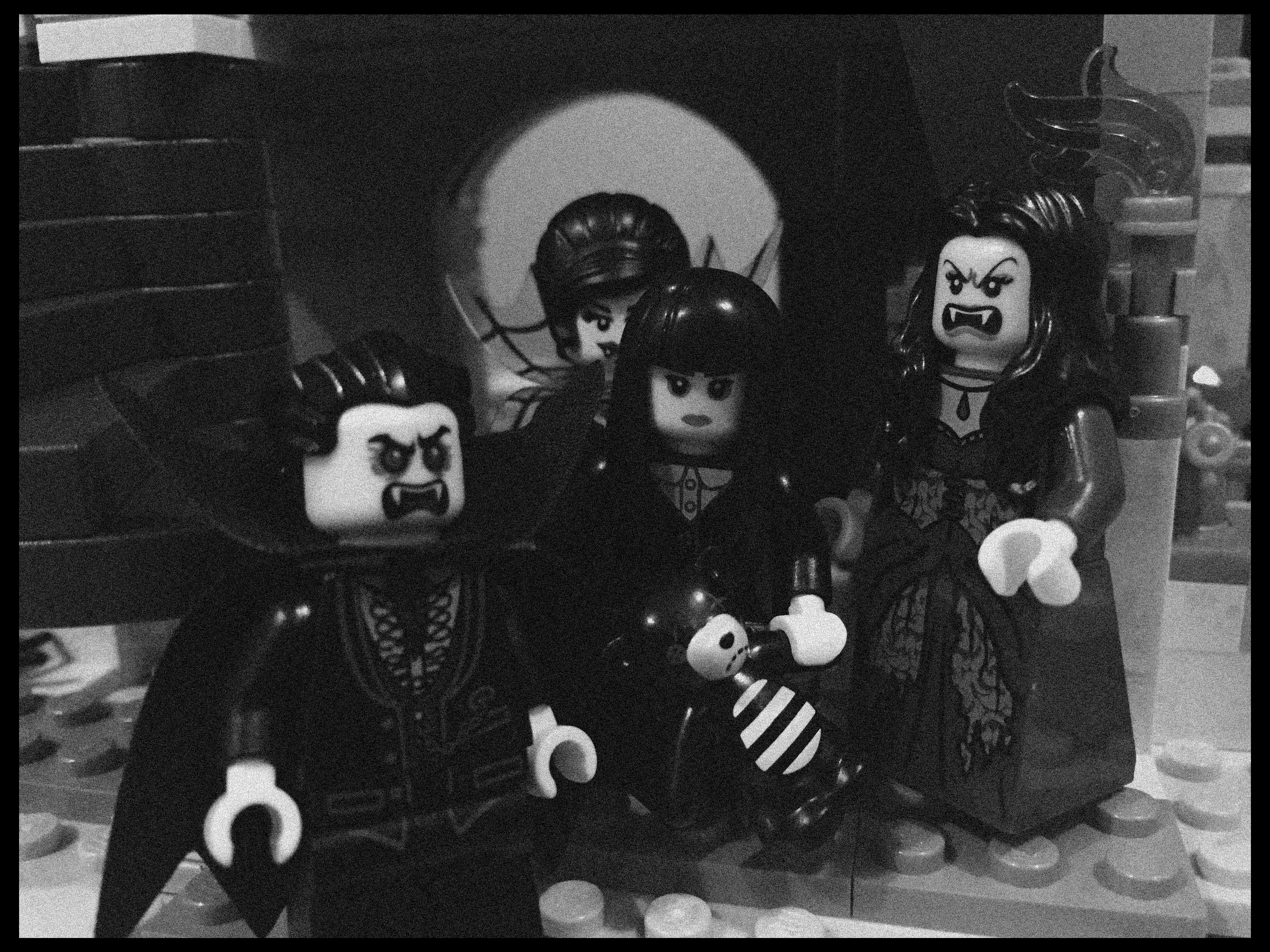
Fantasy is represented in the stop motion through the human fairy godmothers. I see fantasy as the ancient escape from reality: It was the “virtuality” that people from the past knew; it represents the limitless probabilities of the past – before technology dominated humans; it was where they were able to imagine and become creative; It was their flight to achieving their übermensch (Nietzsche). “I teach you the overman. Man is something that shall be overcome” (Nietzsche, 124). According to Nietzsche, animal – human – overman is the hierarchy of creatures. I see these fairies as representation of the fine line between overman and human – almost in the level of overcoming, yet they are held back by humans because they’re making them feel emotions…tricking these fairies to go back into their human phase. If for me, fantasy was the escape of people during the olden days, I now look into technology as its replacement. On the other hand, media’s influence is depicted through the vampires. It reveals media’s hypnotization of humans who yearn to achieve what media dictates as the norms of the society.
The focal purpose of Virtual Exit/Existence is to showcase the impact of technology in our perception of reality. The use of plastic toys (Lego) and digital components (sound effects and voice overs) typifies artificiality of the technological elements that surround us. Instead of fulfilling its role of making our lives easier, technology has evolved as an elixir that enraptures our dependence to survive and catch up with reality – the reality that became fast-paced due to technology’s dominance over humans. The film’s goal is to encourage self reflection; whether you’re stuck at your Virtual Exit/Existence, or whether you know how to separate yourself from virtuality/reality.
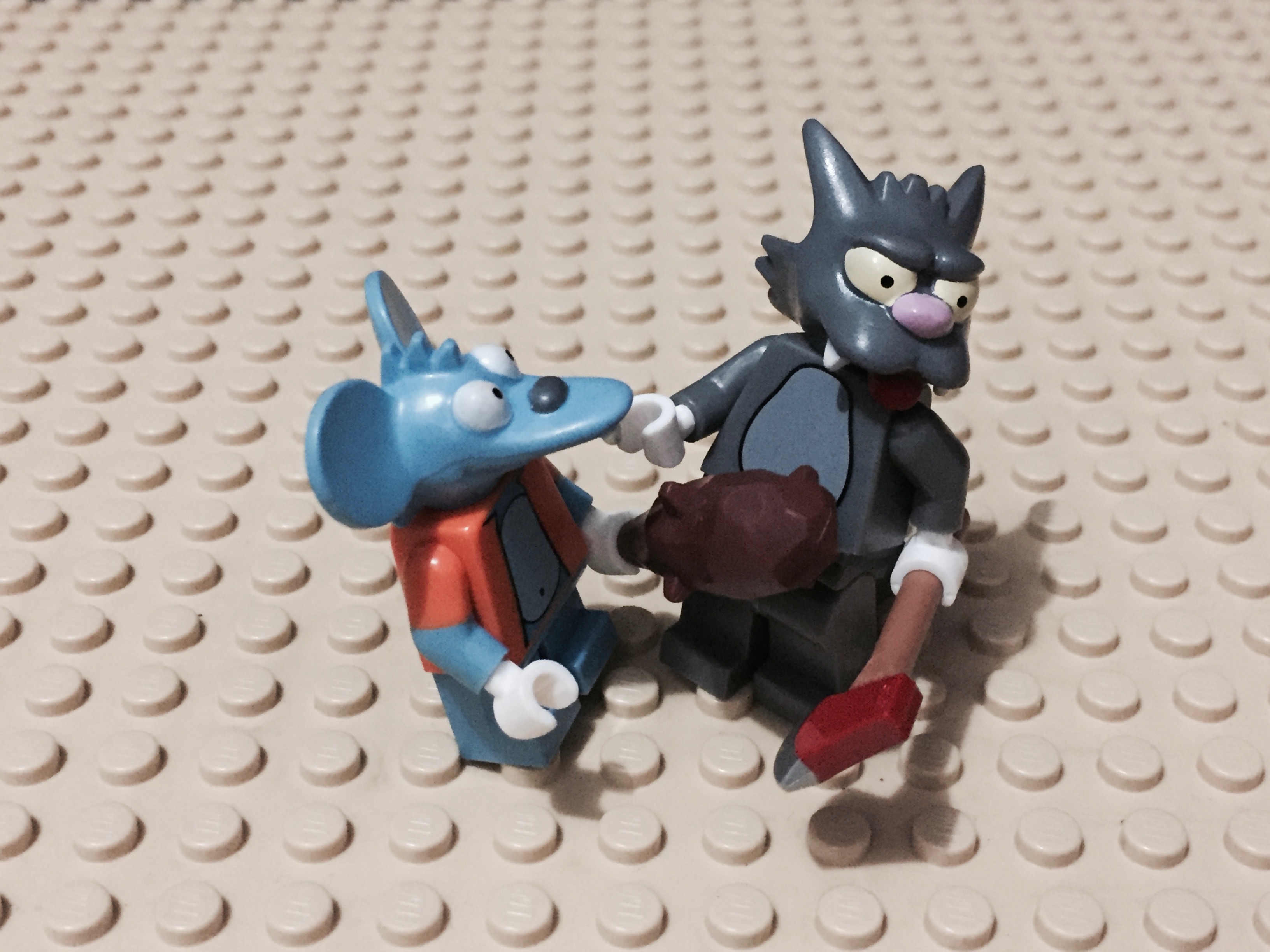
The stop motion is divided into five parts: Game Not Over, Unli, Not A Fairy Tale, Raw Bots, and Dead Kid. It ended up as shorts within a short. The editing, post processing of the images, and sound design of the film are all digital. I used a postmodern approach in the post-production of the animation. The title itself already expresses Virtual Exit/Existence. On-the-spot revision, or rather the real-time typing and editing of text symbolizes the ubiquitous capability of humans to manipulate and control technology. These text edits are also seen in the Game Over -> Game Not Over, Fairy Tale -> Not A Fairy Tale, and in Robots -> Raw Bots segment. Different pre-installed unique accents, tones and pitches help enhance the human voice that these pseudo-human machines portray. As Hayles said, “The very word narrator implies a voice speaking, and a speaking voice implies a sense of presence” (43). Computers talking to us, making their presence felt… an experience of Virtual Exit/Existence.
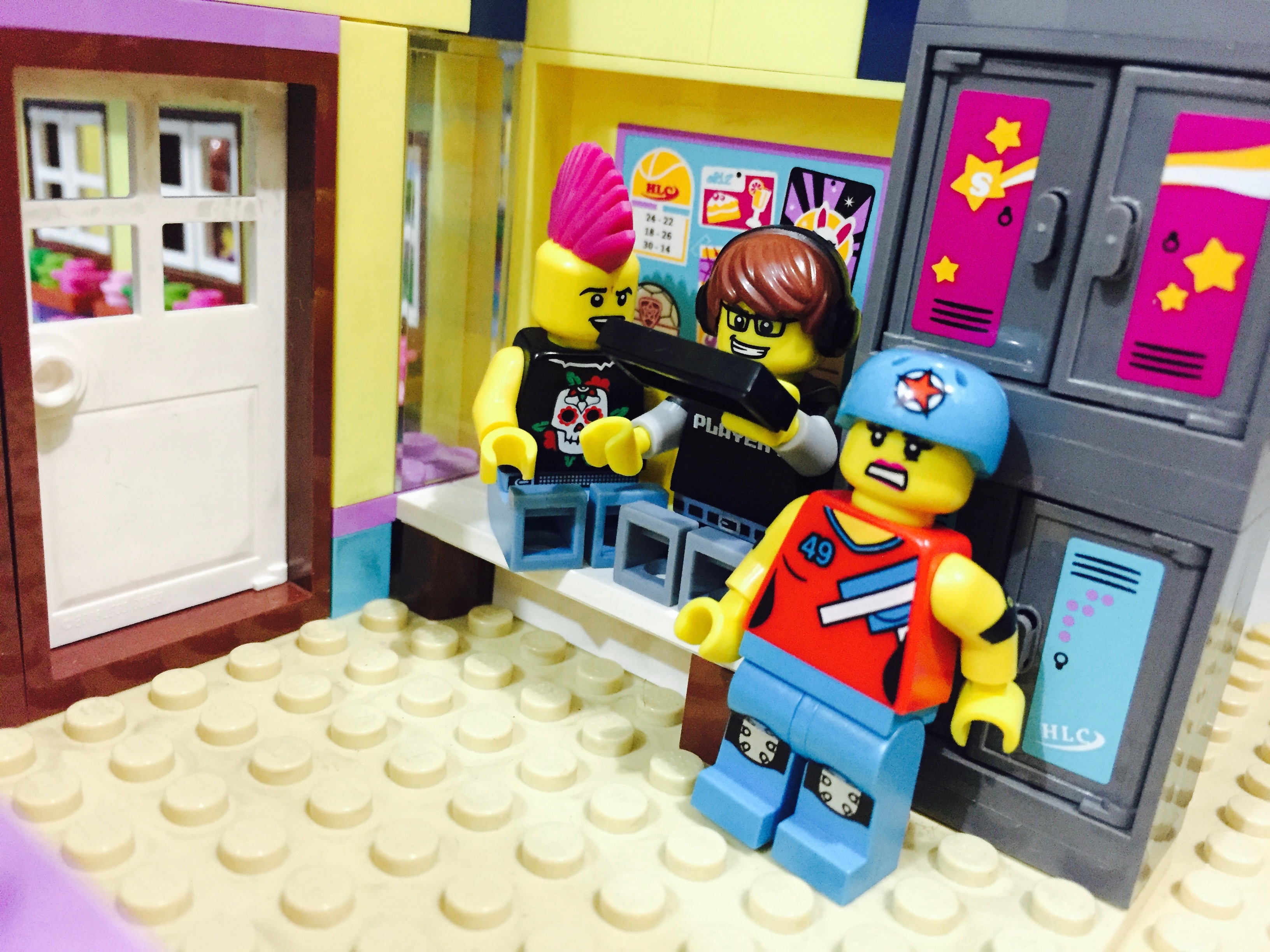
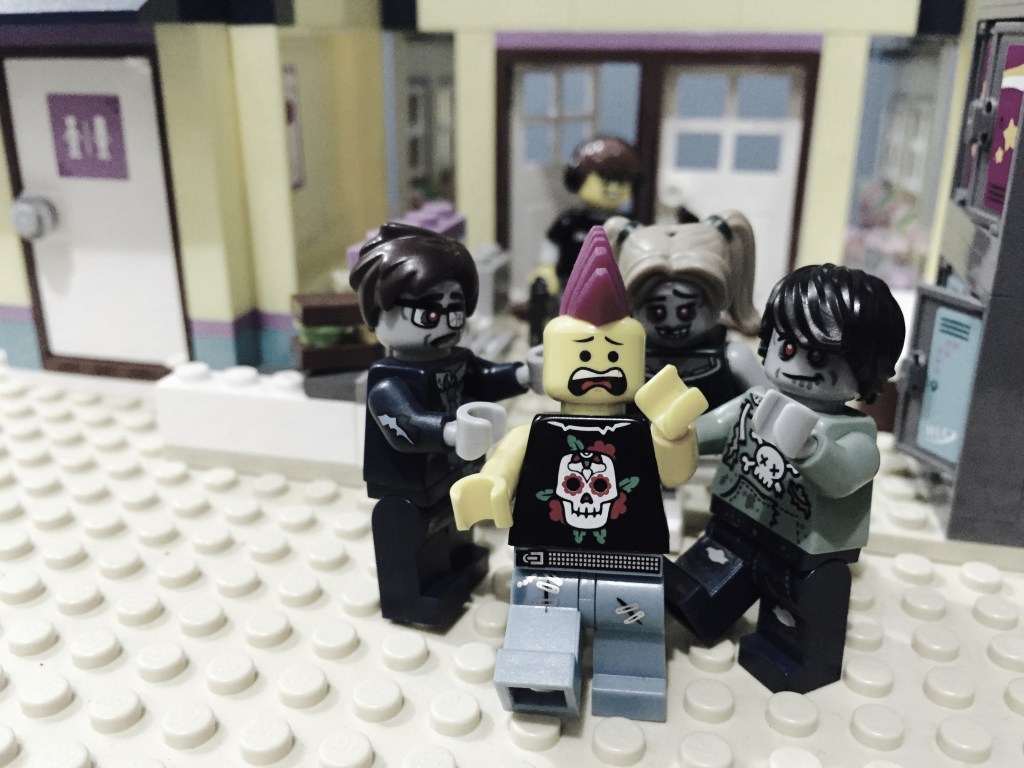
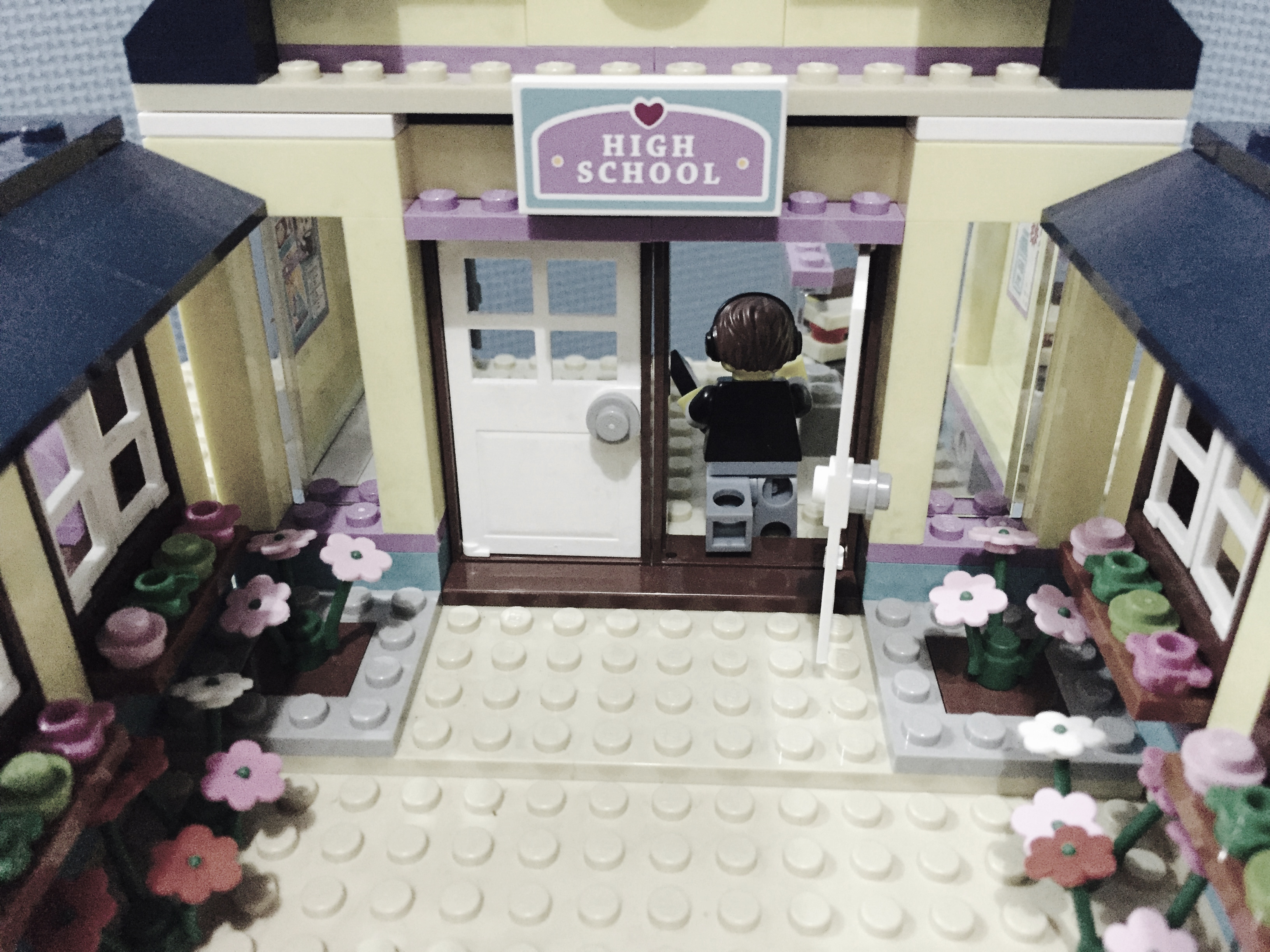
In Game Not Over, the scene starts with a first person point of view walkthrough. One would think that the person is going to class, but then there was a disturbing transmission-like interruption which made the camera into a second person point of view, and a voice saying “start mission” – an indication that someone is controlling the first person mentioned. Then he shot the zombies to save his friend. The same voice said “select weapon”, and a showcase of weapons follow. This represent a more game-like experience: able to select a weapon, select a user, and of course, an option to play again after failing a mission. Game Not Over demonstrates the life inside the virtual world – through gaming. It displays interaction between humans and computers. As Lacan suggested, “all sorts of things in the world behave like mirrors” (49). Like the computer games we’re playing, we’re in control, but we’re also controlled; we look into the virtual world, and it reflects itself back on us through the Virtual Exit/Existence stage.
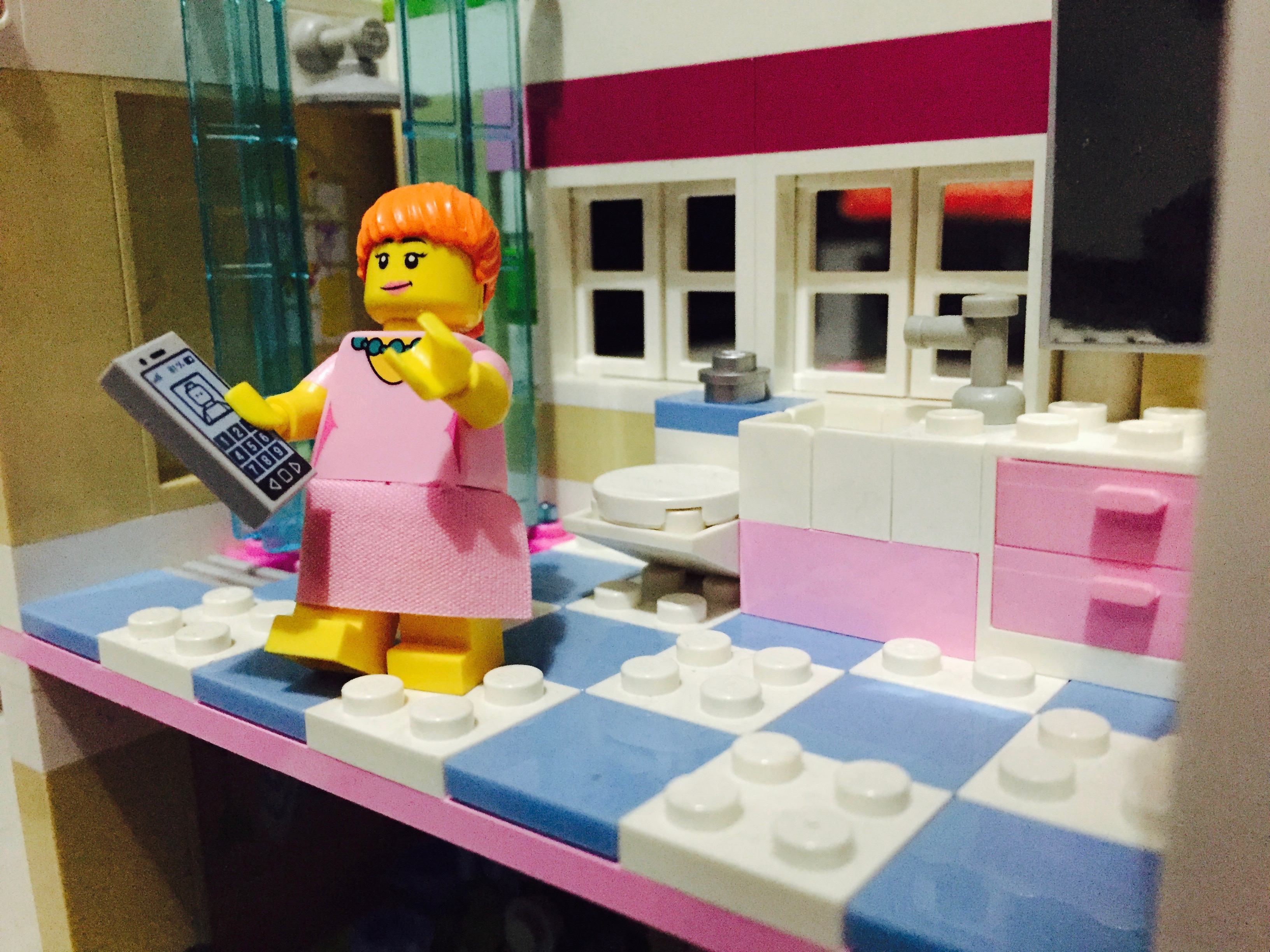
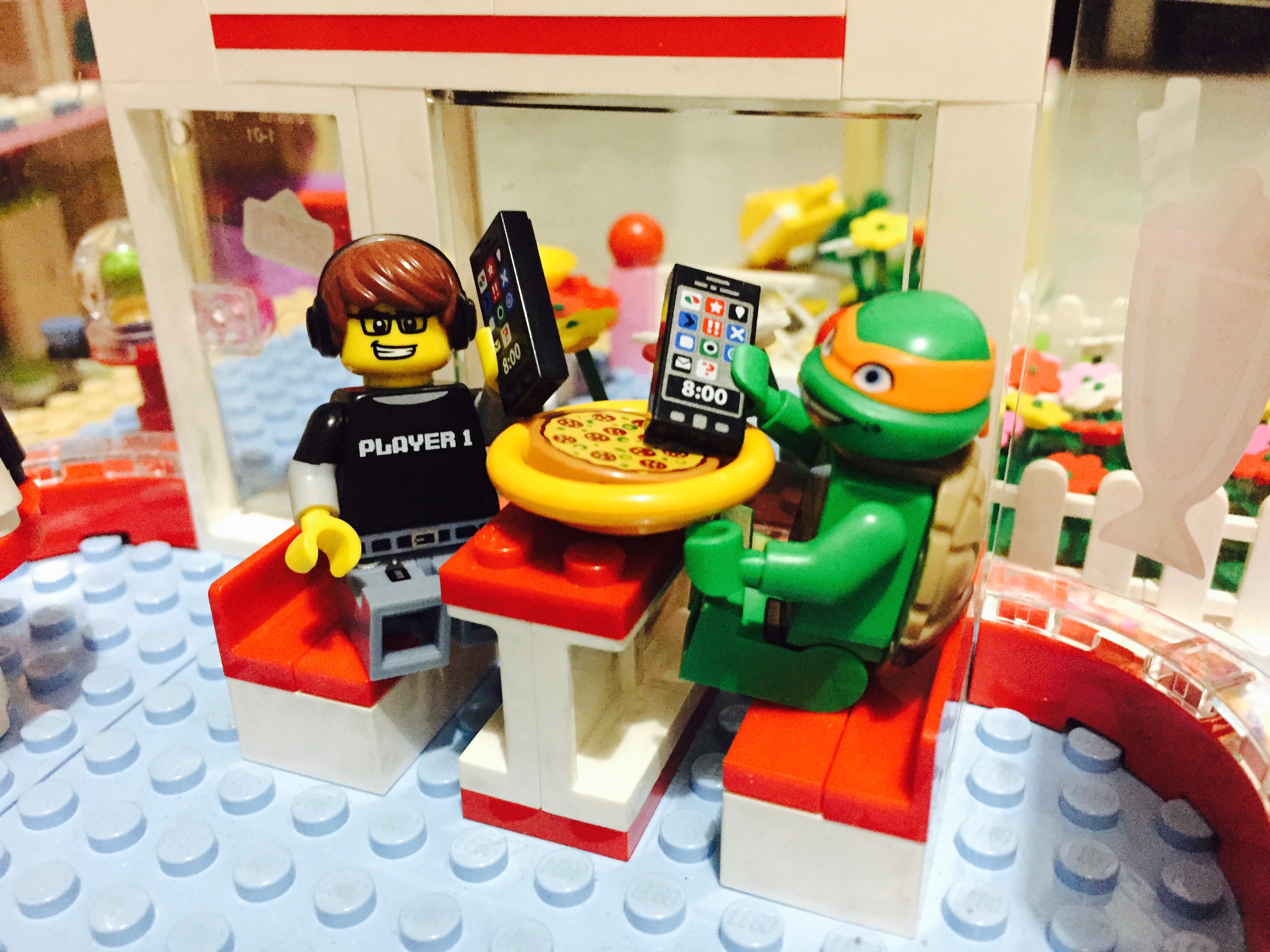
Unli is the colloquial for ‘Unlimited’. The segment shows several shots of a girl at the different corners of her house. It also shows a boy on different places. Both have their phones with them, either texting or talking to someone. Both Unli and Raw Bots reflect our attachment to our gadget/s. We are consumed by technology, and it has been playing a big part in our lives… to the point that we are like robots controlled by these gadgets. One will notice that the title was changed from robots to Raw Bots, it embodies the digital natives’ rawness. They seem all-knowing because they grew up with these gadgets (Unlike the digital migrants), though they know how to maximize the use of technology, they are consumed by it – they are not aware of their limitations.
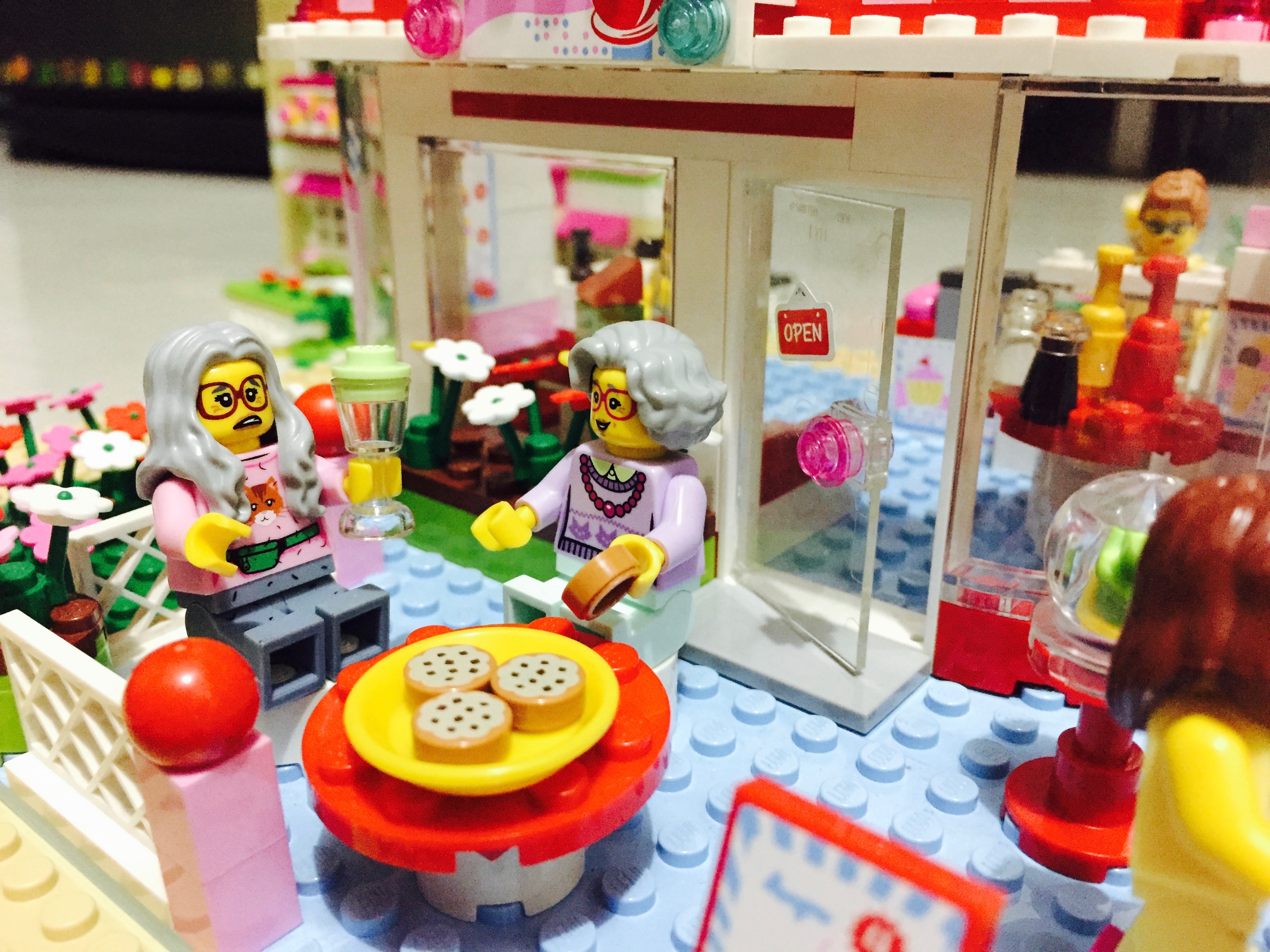
Not A Fairy Tale starts with two old women at a café scene. They epitomize modern fantasy. I chose to make them old to emphasize that they are now part of the past. The conversation of the fairies reveal that they’re at the point of having several emotions already. As J.M.Barrie wrote in Peter Pan, “Fairies have to be one thing or the other, because being so small they unfortunately have room for one feeling only at a time” (Barrie). The fairies are already at the stage where they feel several emotions toward humans. They’re pulled into the Virtual Exit/Existence of humans. One of them even asked, “aren’t we all pretending?”… a controversial question of one’s existence.
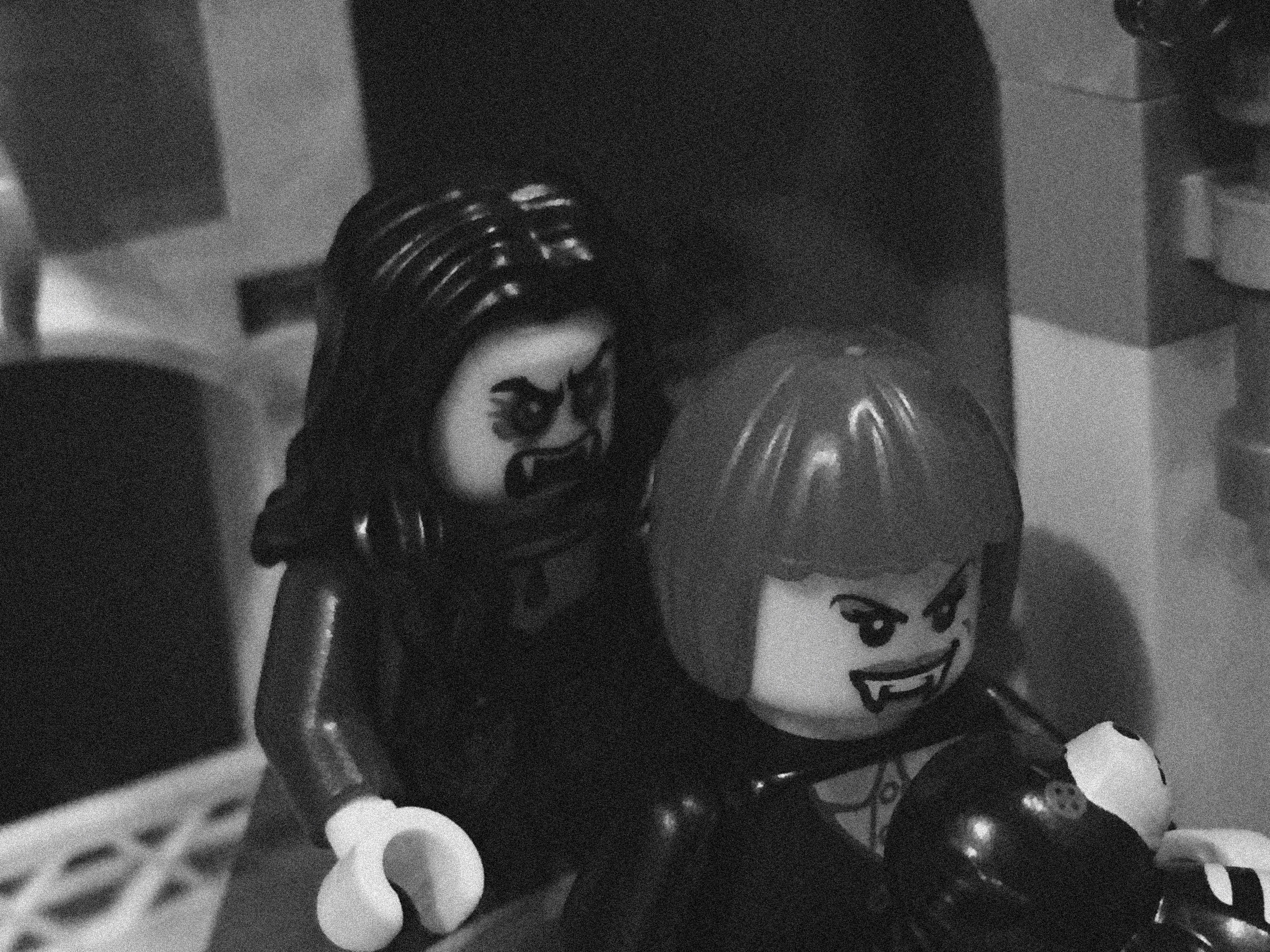
The vampires are representation of media’s influence – the fallacious reality that we believe in; they depict the ‘supposed to be actuality’ as imposed to us through media. I used vampires to express the juxtaposition between the “real” norm and the “dictated” norm. I chose the title Dead Kid because most of us are like the redhead girl, living in a make-believe reality, living in the Virtual Exit/Existence through media’s obtrusion of the society’s norm.
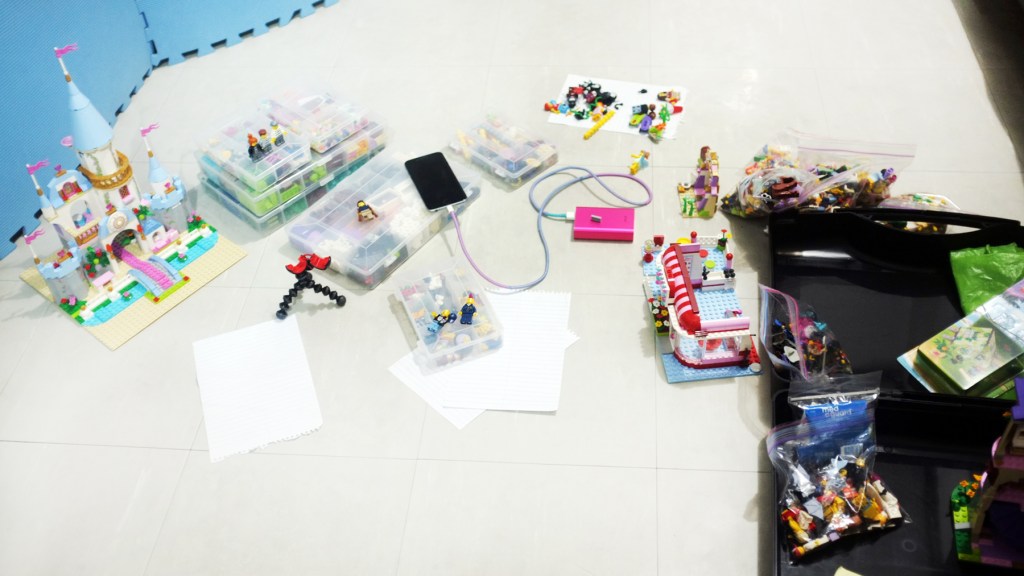
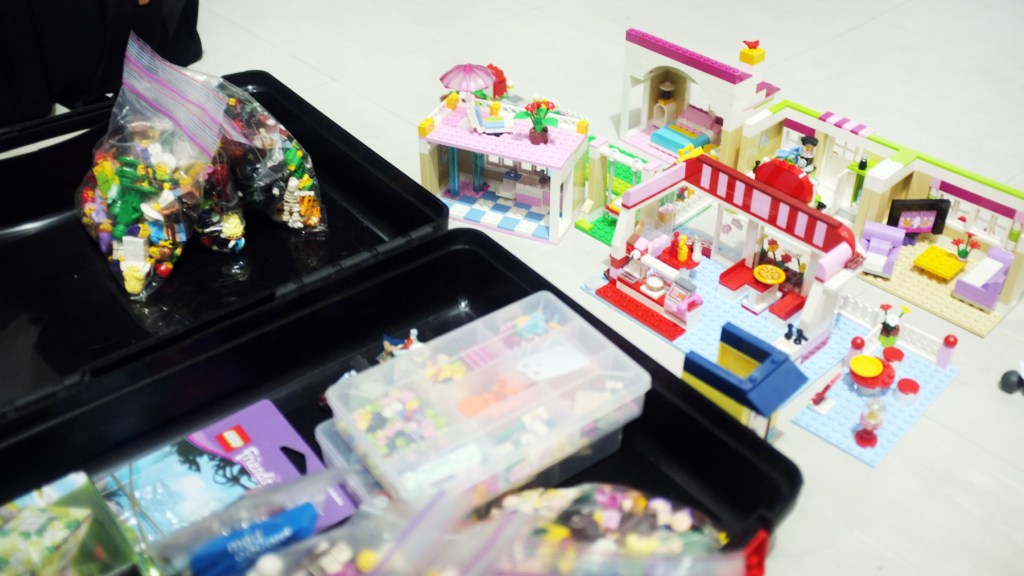
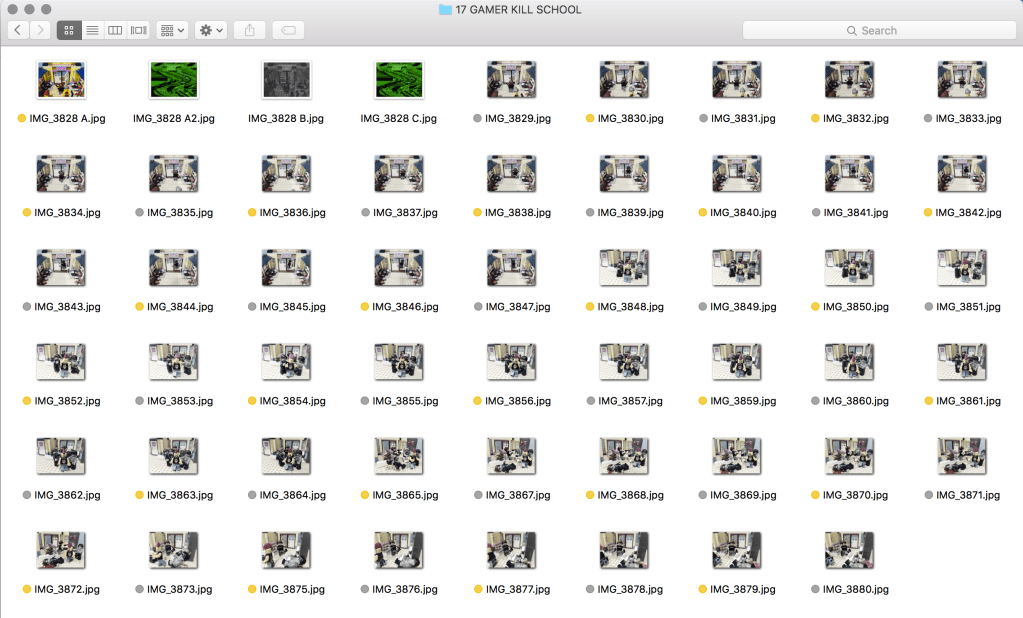
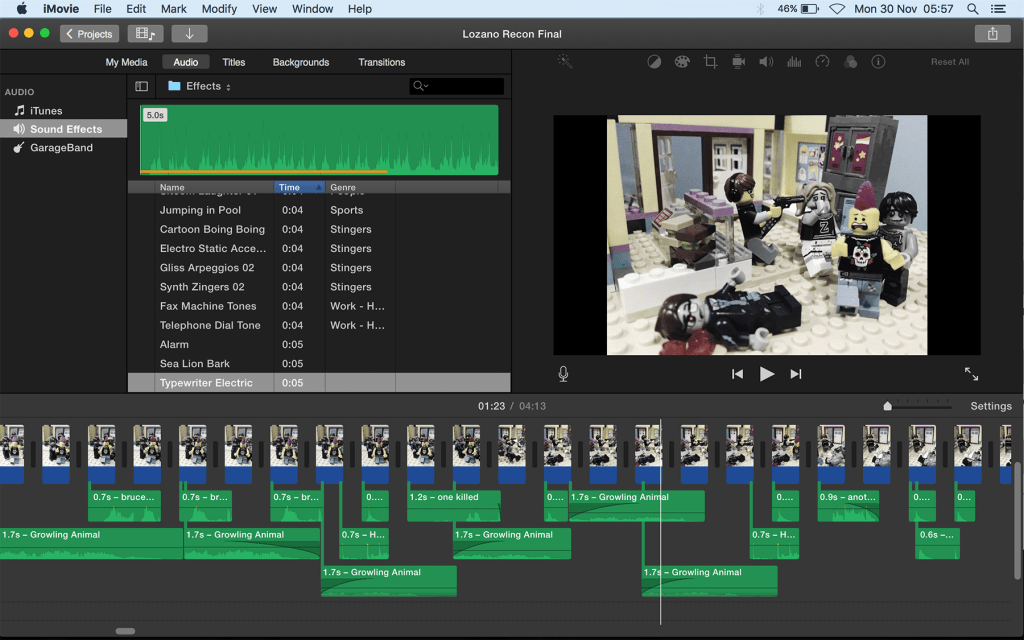
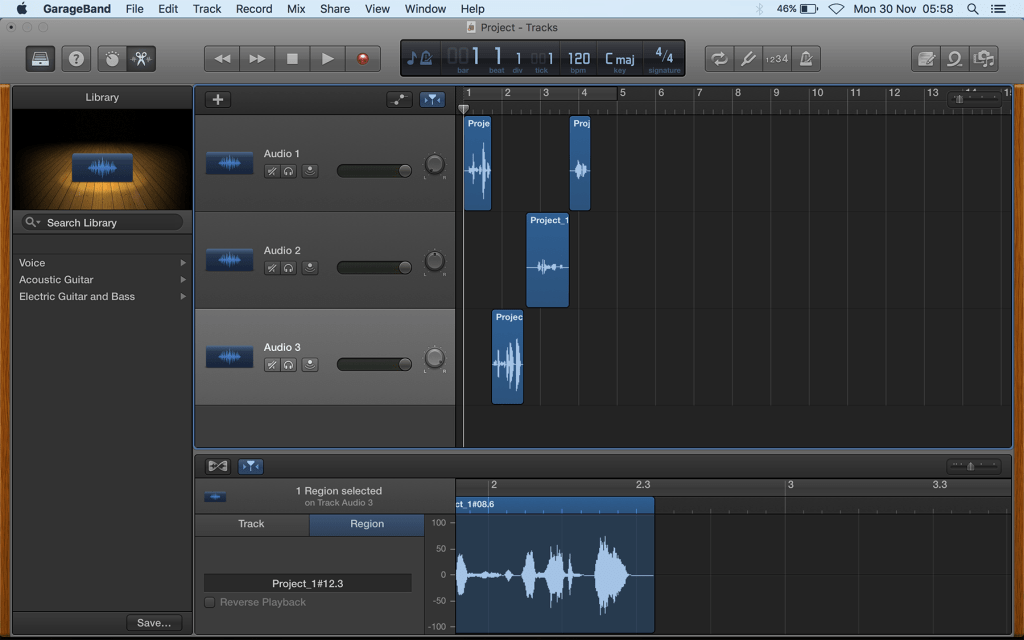
For the process: I gathered the paraphernalia needed to get things done. I have my iPhone, tripod, power bank, rubber mat, Lego minifigures and sets. Since I already had initial shots, I settled with these characters and added some supporting characters. There is no storyline or plot in mind as I was shooting the scenes. Due to time constraint, “Think digital” was my storyboard. I just made sure I established character identities and gave them mobile phones (except for the fairies and vampires). My motto was “editing is key”, cause I really need to rush and finish taking photos as soon as possible. As I shoot the scenes, I made sure that they can be interrelated, and the mobile phone tile helped a lot. After 2 days of set designing, tripod flexing, and shooting almost 1,220 images, I decided to transfer the images in my laptop and let the magic begin. It took me another day to sort and edit images. Sorting was the most tedious part of the process since I am also editing my storyboard whilst arranging the file order; It was the aftermath of not having a storyboard, and I am glad it is over. On the contrary, sorting made me more imaginative of the possible segments that I will place in the film. Editing was my favorite part: I used iMovie (plus its preinstalled sound effects) for process simplicity, and Garageband for sound edits. I also enjoyed doing on-the-spot title wordplays.
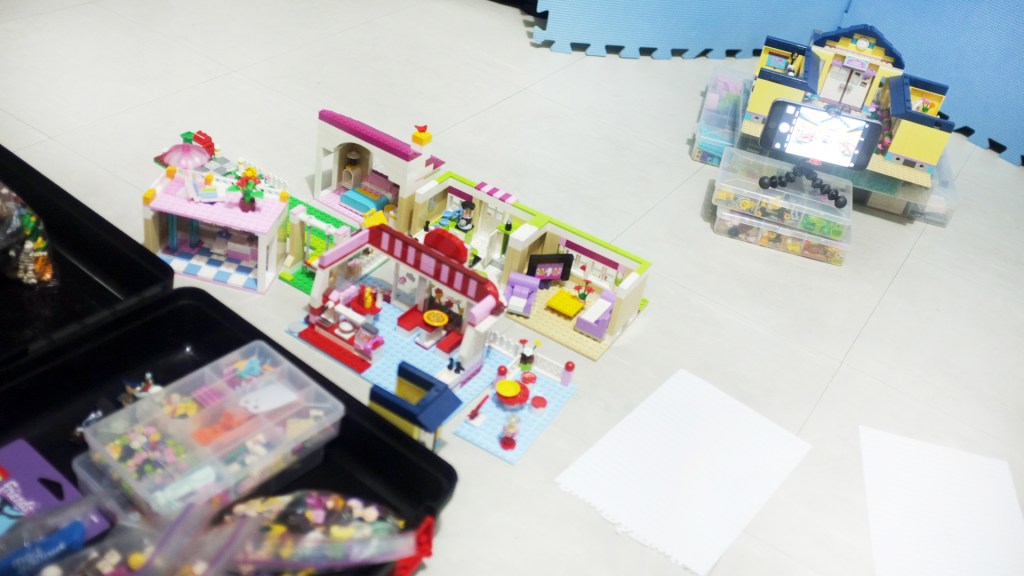
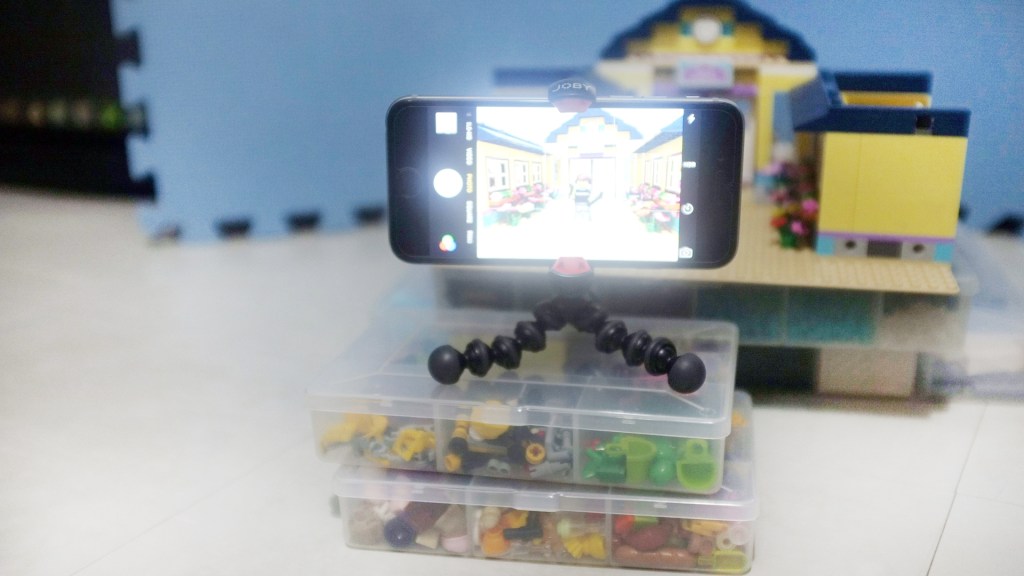
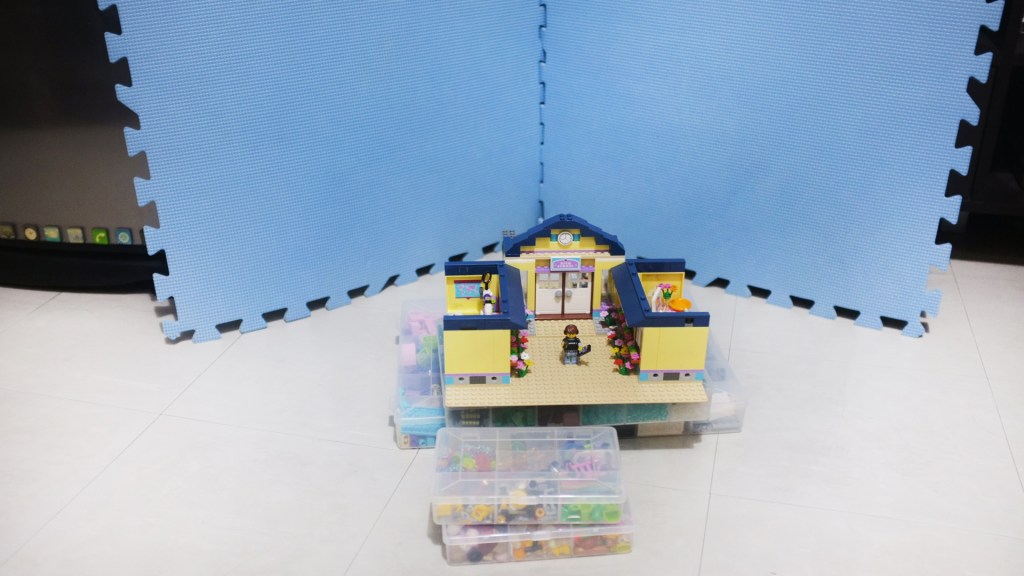
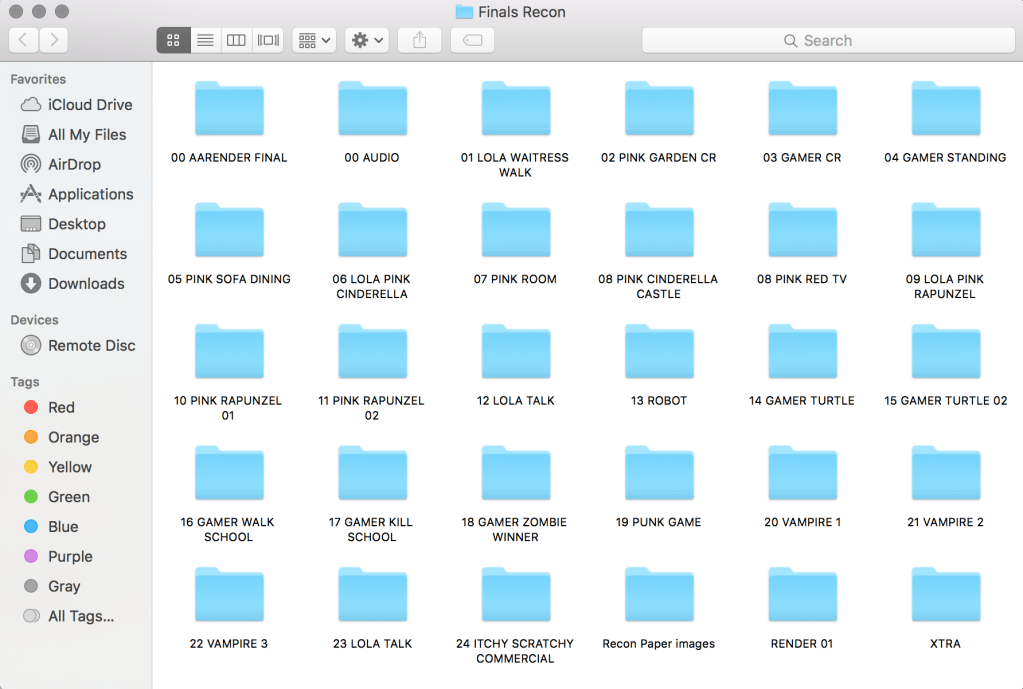
The experience taught me several things. I’m glad I was able to survive in producing this animation but I know I will do better next time. Yes, I am done, the animation is over… but it could have been better when I had a real storyboard. Even if I was able to shoot a thousand frames, it could have been better if I had a precise plan (again, dwelling on the storyboard). I learned that a toy can be more than what you intend it to be – toys are not just for playing. Using these objects as subject made me think that if I can manipulate and control these toys, maybe Lego is also manipulating and controlling me because of my addiction to it.
I hope you enjoyed this quick write-up. This animation was produced for one of my Master’s course – Reconstituting the Image.
References:
Barrie, J. M., and Nora S. Unwin. Peter Pan. New York: Charles Scribner’s Sons, 1950. Print.
Lacan, Jacques, and Jacques Miller. The Seminar of Jacques Lacan: Book 2. New York: Cambridge UP, 1988. Print.
N. Katherine Hayles. How We Became Posthuman: Virtual Bodies in Cybernetics, Literature, and Informatics. Chicago: The University of Chicago Press, 1999. Print.
Nietzsche, Friedrich Wilhelm. The Portable Nietzsche. Ed. Walter Arnold Kaufmann. New York: Penguin, 1976. Print.
 rastle.xyz
Leave a comment